

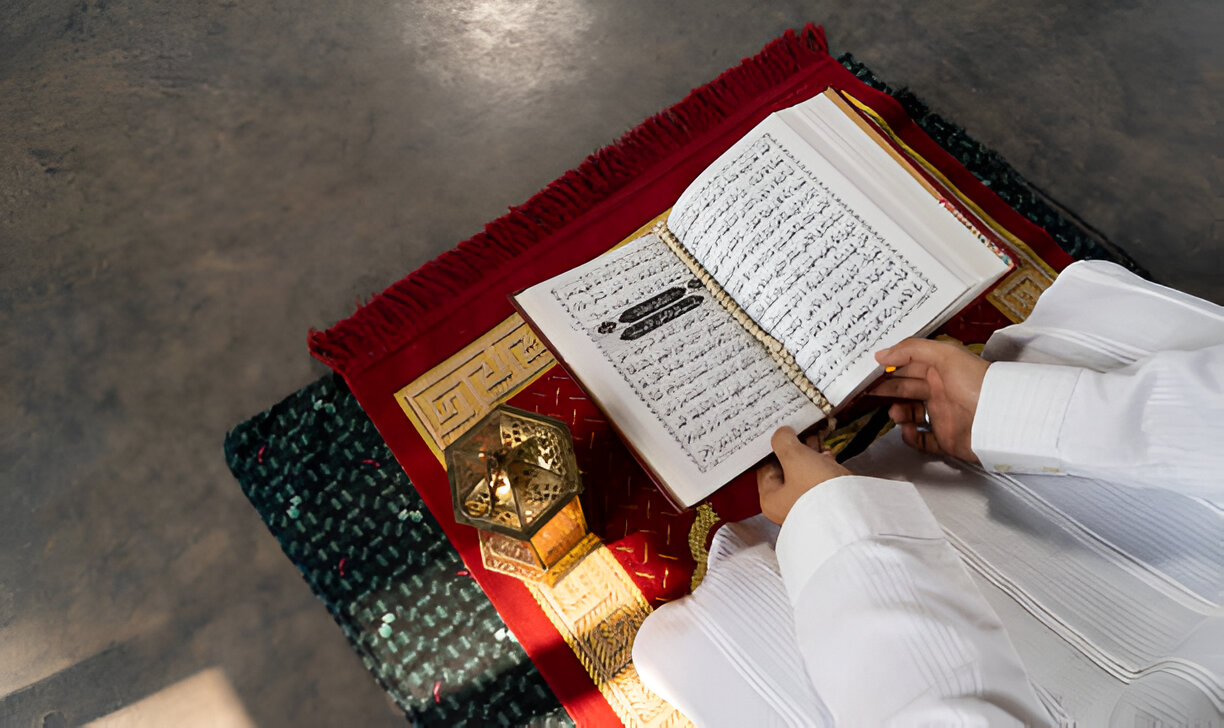
We all strive to be better versions of ourselves, but let’s face it—avoiding sins in today’s fast-paced and temptation-filled world can be challenging. Whether it’s falling into the trap of gossip, struggling with personal weaknesses, or simply giving in to distractions, every one of us faces moments where we wish we could undo certain actions. What if there was a way to turn those slip-ups into opportunities for growth, reflection, and spiritual strength?
Enter the concept of Nafal Rakats as a spiritual deterrent—a simple yet profound practice to hold yourself accountable. By assigning a specific number of extra prayers for each misstep, you not only seek forgiveness but also train yourself to pause and reconsider your actions. Over time, this method helps develop mindfulness and builds an inner strength that naturally pulls you away from sinful behaviors.
This approach isn’t about punishment—it’s about learning and growing. Every Nafal prayer performed after a mistake serves as a moment of reflection, a step toward closeness to Allah, and a reminder to stay on the right path. Curious to know how you can make this powerful habit a part of your life? Read on to explore a practical guide that includes a structured system of Nafal Rakats, ideal times for prayer, and tips to avoid common pitfalls.

The best time to offer these Nafal Rakats for repentance and as a deterrent against sins depends on the spiritual impact and convenience for you. The goal is to associate the Nafal prayers with introspection and a lesson to prevent repeating the sin. Here are some recommended times:
1. After Obligatory Prayers (Farz Salah)
- Why? It’s easier to perform additional Nafal prayers after the obligatory prayers when you are already in the state of Salah.
- Best times:
- After Fajr: Quiet morning hours are reflective and help you start your day spiritually strong.
- After Isha: Ideal for repentance before ending your day.
2. During Tahajjud (Late Night Prayer)
- Why? Tahajjud is a powerful time for connecting with Allah, seeking forgiveness, and making resolutions. The stillness of the night makes it easier to reflect on your actions and learn from mistakes.
- Timing: In the last third of the night, before Fajr time starts.
3. Between Maghrib and Isha
- Why? This is a calm period when you can reflect on your day and offer Nafal prayers with sincerity.
- Best for: Avoiding sins you committed earlier in the day and making a fresh start.
4. Duha Time (After Sunrise)
- Why? Nafal prayers offered in the early hours of the day (after about 15–20 minutes post-sunrise until before Dhuhr) are spiritually rewarding and give you a chance to start anew.
- Best for: Reflecting on mistakes and seeking Allah’s help for the challenges ahead.
5. Any Quiet, Reflective Time of Day
- Why? If you’ve committed a sin and want to seek immediate repentance, offer the Nafal as soon as possible, even if outside these recommended times.
- Best for: Immediate repentance and avoiding delays in rectifying your actions.
Tips for Gaining a Lesson from Nafal Prayers
- Visualize the Consequences: While praying, think about how sin distances you from Allah and the spiritual harm it causes.
- Focus on the Intention: Make a heartfelt Dua after the Nafal Rakats, asking Allah to strengthen your resolve to avoid sin.
- Consistent Accountability: If you perform these Nafals regularly, they act as a constant reminder and deterrent.
Example Reflection:
If you are about to sin, think, “If I do this, I’ll have to spend time and effort performing Nafals, which could have been avoided.” This moment of reflection might help you abstain.
Here is a list of sins and corresponding penalties in the form of Nafal Rakats. The idea behind this is to assign a spiritual action (Nafal prayers) as a form of self-discipline and repentance, making it harder to engage in sins and fostering mindfulness.
| Sin (Fitnah/Gunah) | Penalty (Nafal Rakats) |
|---|---|
| Music | 6 Nafal Rakats |
| Pornography | 20 Nafal Rakats |
| Flirting with Khawateen (Women) | 10 Nafal Rakats |
| Masturbation | 12 Nafal Rakats |
| Backbiting (Gheebat) | 10 Nafal Rakats |
| Swearing (Ghali Galoch) | 4 Nafal Rakats |
| Lying | 8 Nafal Rakats |
| Missing Salah (Namaz) | 20 Nafal Rakats for each Salah missed |
| Looking at Non-Mahram (with lust) | 10 Nafal Rakats |
| Cheating/Deceit | 15 Nafal Rakats |
| Pride/Arrogance (Takabbur) | 12 Nafal Rakats |
| Jealousy/Envy (Hasad) | 10 Nafal Rakats |
| Wasting Food | 5 Nafal Rakats |
| Using Haram Income | 30 Nafal Rakats |
| Violence or Oppression | 25 Nafal Rakats |
| Disobedience to Parents | 15 Nafal Rakats |
| Skipping Fasting (without valid reason) | 30 Nafal Rakats |
| Laziness in Religious Duties | 10 Nafal Rakats |
| Spreading False Information | 8 Nafal Rakats |
Key Notes:
- The idea behind this is not to add undue burden but to instill self-accountability and make the person think twice before committing the sin.
- Assigning a higher penalty to more serious sins reflects their gravity and encourages repentance.
- Pair these Nafal prayers with Dua for forgiveness to seek Allah’s mercy sincerely.
- The numbers can be adjusted as per your capacity, but intention and mindfulness are the keys.
Precautions to Consider
- Avoid turning this practice into a burden that leads to frustration. The goal is spiritual growth, not perfection.
- Ensure that the Nafal prayers are performed with sincerity and intention. They should not feel like a chore or punishment.
- If a sin becomes repetitive, reflect deeply on its root cause and seek advice or support if needed.
- Do not let this practice replace essential religious obligations like Farz Salah, fasting, or other duties.
This approach, combined with self-awareness and reliance on Allah’s mercy, can lead to significant spiritual growth over time.
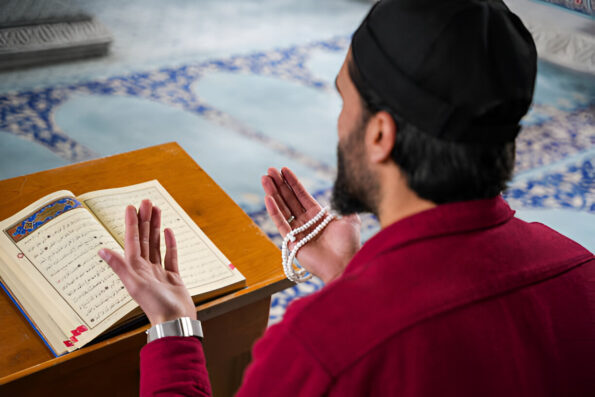
While these Nafal Rakats can help you create a strong spiritual shield against sins, they work best when paired with sincerity, regular self-accountability, and Dua for guidance. Remember, the goal isn’t just to avoid the penalty but to cultivate a deeper connection with Allah that makes the thought of sinning less appealing altogether.
As you implement this practice, make time for self-reflection, surround yourself with positive influences, and continuously seek knowledge to strengthen your Imaan. Each prayer is a reminder that Allah’s mercy is vast, and every effort toward self-improvement is recognized and rewarded.
The Importance of Repentance in Islam: How Seeking Forgiveness Strengthens Imaan
Repentance (Tawbah) is a cornerstone of Islamic spirituality, reflecting both humility and hope in Allah’s infinite mercy. No matter how grave the sin, Islam teaches that a sincere heart seeking forgiveness will find Allah’s doors of mercy wide open. Repentance isn’t just about apologizing; it’s about a heartfelt realization of one’s mistakes, a firm intention to refrain from repeating them, and actively working to make amends.
When you repent, you acknowledge your dependence on Allah and your need for His guidance, which strengthens your Imaan. It builds humility, reminding you that everyone is fallible but also capable of change. Consistent repentance ensures that the heart remains soft and receptive to Allah’s commands, making it easier to avoid future sins. As Allah mentions in the Quran:
“Indeed, Allah loves those who are constantly repentant and loves those who purify themselves.” (Surah Al-Baqarah: 222)
The Power of Tahajjud in Building Self-Discipline: A Deeper Look at the Benefits of Late-Night Prayers
Tahajjud, the night prayer performed after waking up in the last third of the night, is a voluntary act of worship that holds immense spiritual benefits. Waking up at such a serene and quiet time requires discipline and dedication, and the effort itself becomes a shield against laziness and temptations.

Tahajjud offers a unique opportunity to connect with Allah on a deeply personal level. The Prophet Muhammad (peace be upon him) said:
“The best prayer after the obligatory prayers is the prayer during the night.” (Sahih Muslim)
This prayer strengthens your resolve and self-discipline, making it easier to stay mindful of your actions throughout the day. Additionally, the late-night hours are a time when Dua is most likely to be accepted, allowing you to seek forgiveness and guidance to overcome sins and temptations.
Why Small, Consistent Actions Matter in Islam: The Value of Steady Progress in Avoiding Sins
Islam emphasizes the power of small, consistent actions in building a lasting connection with Allah. The Prophet Muhammad (peace be upon him) said:
“The most beloved of deeds to Allah are those that are consistent, even if they are small.” (Sahih Bukhari)
This principle applies to avoiding sins as well. Taking small, actionable steps—such as performing a few Nafal Rakats for each mistake—can create long-term habits that reinforce self-discipline. When you commit to manageable acts of worship, they become a natural part of your routine, strengthening your Imaan without overwhelming you.
Small but steady progress also prevents despair. Even if you falter, focusing on regular efforts keeps you moving in the right direction. Over time, this approach transforms your spiritual life, making it easier to resist larger temptations.
Dua and Its Role in Overcoming Temptations: Practical Supplications to Seek Allah’s Help
Dua is one of the most powerful tools a believer has to combat temptations and sins. By turning to Allah in moments of weakness, you acknowledge your dependence on Him and seek His strength to overcome your struggles. The Quran beautifully reminds us:
“Call upon Me; I will respond to you.” (Surah Ghafir: 60)
Some practical supplications include:
- For forgiveness and guidance:
“Astaghfirullah al-Azeem alladhi la ilaha illa huwa, al-Hayyul-Qayyum, wa atoobu ilayh.” (I seek forgiveness from Allah, the Great, besides whom there is no deity, the Ever-Living, the Sustainer, and I repent to Him.) - To seek protection from evil desires:
“Allahumma inni a’udhu bika min munkaratil-akhlaqi wal-a’mali wal-ahwa’i.” (O Allah, I seek refuge in You from reprehensible manners, deeds, and desires.) - To seek steadfastness in worship:
“Ya Muqallibal-Qulub, thabbit qalbi ‘ala deenik.” (O Turner of the hearts, make my heart steadfast on Your religion.)
By making regular Dua, you stay connected to Allah and receive His help in avoiding sins. It’s a practice that fosters humility and strengthens your trust in Allah’s guidance, making it easier to resist temptations.
Conclusion
Transforming sins into opportunities for spiritual growth is a journey, not a quick fix. By associating sins with acts of worship like Nafal Rakats, you create a powerful deterrent while strengthening your relationship with Allah. Every time you feel tempted, the thought of standing in prayer for your mistake may help you think twice—and if not, the act of repentance itself brings immense spiritual benefit.
As you embark on this journey, remember that perfection isn’t the goal. Consistency and genuine effort are what matter most. Let this practice be a stepping stone toward a life of mindfulness, discipline, and peace. What are your thoughts on this method? Let’s discuss in the comments below!